

7 Signs Stress Is Affecting Your Body (And What You Can Do About It)
Stress is a normal part of life. In small amounts, it can help us stay focused and respond to challenges. However, when stress becomes ongoing, it can begin to affect both the mind and body in ways that are not always obvious.
Many people are surprised to learn that physical symptoms such as muscle tension, digestive discomfort or poor sleep may be linked to prolonged stress.
Traditional Chinese Medicine (TCM) views the body and mind as closely connected. Rather than looking at symptoms in isolation, it considers how different aspects of health influence one another. This holistic approach aims to support the body’s natural balance and overall wellbeing.

Here are seven common signs that stress may be affecting your body.
-
You carry tension in your neck and shoulders
One of the most common places people experience stress is in the neck, shoulders and upper back. Tight muscles, stiffness and tension headaches can develop after long periods of emotional stress, desk work or poor posture.
Many people choose acupuncture as part of their overall health and wellbeing plan to support relaxation and help manage muscle tension.
-
Your sleep isn’t as restful
Do you struggle to fall asleep because your mind won’t switch off? Or perhaps you wake during the night feeling alert despite being tired?
Stress can affect normal sleep patterns, leaving you feeling fatigued and less able to cope with daily demands. Good sleep is essential for physical recovery, emotional wellbeing and overall health.
-
Your digestion feels unsettled
The digestive system is closely linked with the nervous system. During periods of stress, some people notice bloating, changes in appetite, constipation, diarrhoea or general digestive discomfort.
Supporting healthy lifestyle habits, nutrition and stress management may help improve digestive wellbeing.
-
You feel constantly tired
Feeling exhausted despite getting enough sleep may be a sign that your body has been under prolonged stress.
When the body remains in a heightened state of alertness for extended periods, it can become more difficult to maintain energy throughout the day.
-
You’re getting more headaches
Frequent headaches or tension around the temples, forehead or base of the skull can sometimes be associated with stress and muscle tension.
If headaches are severe, persistent or unusual for you, it’s important to discuss them with your GP or another appropriate healthcare professional.
-
You’re feeling more emotional or overwhelmed
Stress doesn’t only affect the body. It can also influence mood, concentration and emotional resilience.
You may notice yourself becoming more irritable, anxious, tearful or finding it harder to focus on everyday tasks. Taking time to prioritise self-care and seeking support when needed can make a meaningful difference.
-
You just don’t feel like yourself
Sometimes there isn’t one specific symptom. Instead, you may simply feel “off”. You might have less motivation, reduced energy, feel disconnected from activities you usually enjoy or notice that small challenges feel much bigger than they once did.
Listening to these early signs can be an important step in supporting your overall health.

How can acupuncture fit into stress management?
Many people choose acupuncture as part of their broader approach to managing stress and supporting their wellbeing. Acupuncture is used within Traditional Chinese Medicine and may be incorporated alongside healthy lifestyle habits, exercise, adequate sleep and advice from your healthcare providers.
Every person is different. Treatment recommendations are tailored to each individual’s health history, current symptoms, lifestyle and health goals.
Where does Chinese herbal medicine fit?
Chinese herbal medicine has been used for thousands of years as one of the core treatment methods within Traditional Chinese Medicine.
Rather than recommending the same herbs for everyone experiencing stress, a qualified Chinese Medicine practitioner first considers your individual pattern of signs and symptoms. Two people may both describe themselves as feeling stressed yet experience it in very different ways. One person may struggle with poor sleep and a racing mind, while another experiences digestive discomfort, muscle tension or overwhelming fatigue.
This individualised approach is one of the key principles of Traditional Chinese Medicine. If herbal medicine is appropriate, a personalised herbal prescription may be recommended based on your health history, current symptoms and treatment goals.
Chinese herbal medicine may be prescribed in a variety of forms, including concentrated powders, capsules, tablets, liquid extracts or traditional herbal teas.
Herbal medicines are not suitable for everyone and may interact with some prescription medications. For this reason, it’s important to tell your practitioner about any medicines or supplements you are taking, as well as any medical conditions, pregnancy or breastfeeding.
At Woodlands Acupuncture + Herbal Health, treatment plans are tailored to each individual and may include acupuncture, Chinese herbal medicine, dietary advice and lifestyle recommendations, depending on your needs.
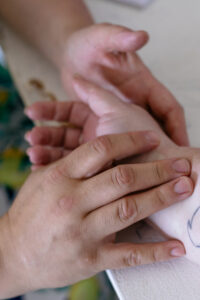
Why an individual approach matters
It’s common to search online for “the best herb for stress” or “the best acupuncture point for anxiety”. While these articles can provide general information, Traditional Chinese Medicine doesn’t usually work this way.
Instead of treating a diagnosis alone, practitioners assess the whole person. Your sleep, digestion, energy levels, menstrual health, pain, body temperature, lifestyle and emotional wellbeing all help build a picture of your health.
This means that two people with similar symptoms may receive completely different treatment recommendations.
The aim is to understand the underlying pattern contributing to your symptoms and develop a personalised treatment plan that supports your overall health.
What to expect at your first appointment
Your first consultation is about much more than discussing one symptom. We’ll take the time to understand your health history, sleep, digestion, energy levels, stress, lifestyle and any medications or supplements you’re currently taking.
As part of your assessment, your practitioner may also examine your tongue and feel your pulse. These are traditional assessment methods used in Chinese Medicine that help build a picture of your overall health.
This thorough assessment allows us to develop a personalised treatment plan that is tailored to your individual needs and health goals.
Small steps can make a big difference.
If you’ve recognised several of these signs, you’re not alone. Modern life places many demands on us, and it’s easy to overlook our own wellbeing while caring for everyone else.
Simple habits such as regular movement, nourishing meals, quality sleep, mindfulness and making time for yourself can all contribute to better overall health.
At Woodlands Acupuncture + Herbal Health in Turners Marsh, just outside Launceston, we take the time to understand the whole picture of your health. Whether you’re experiencing ongoing stress, poor sleep, fatigue or simply don’t feel like yourself, our goal is to provide personalised care that supports your overall wellbeing.
Ready to prioritise your wellbeing?
If you’re interested in learning whether acupuncture or Chinese herbal medicine may be appropriate for your individual circumstances, we’d love to welcome you to the clinic.
Every treatment begins with a comprehensive consultation, allowing us to understand your health concerns and develop an individualised treatment plan tailored to your needs.
Whether you’re seeking support for stress, sleep, pain, digestive health or simply want to improve your overall wellbeing, we’re here to help you explore your options in a calm, supportive environment.
Book your appointment today and take the first step towards investing in your health.
Woodlands Acupuncture + Herbal Health provides acupuncture, Chinese herbal medicine and holistic healthcare from our peaceful clinic in Turners Marsh, just a short drive from Launceston.